
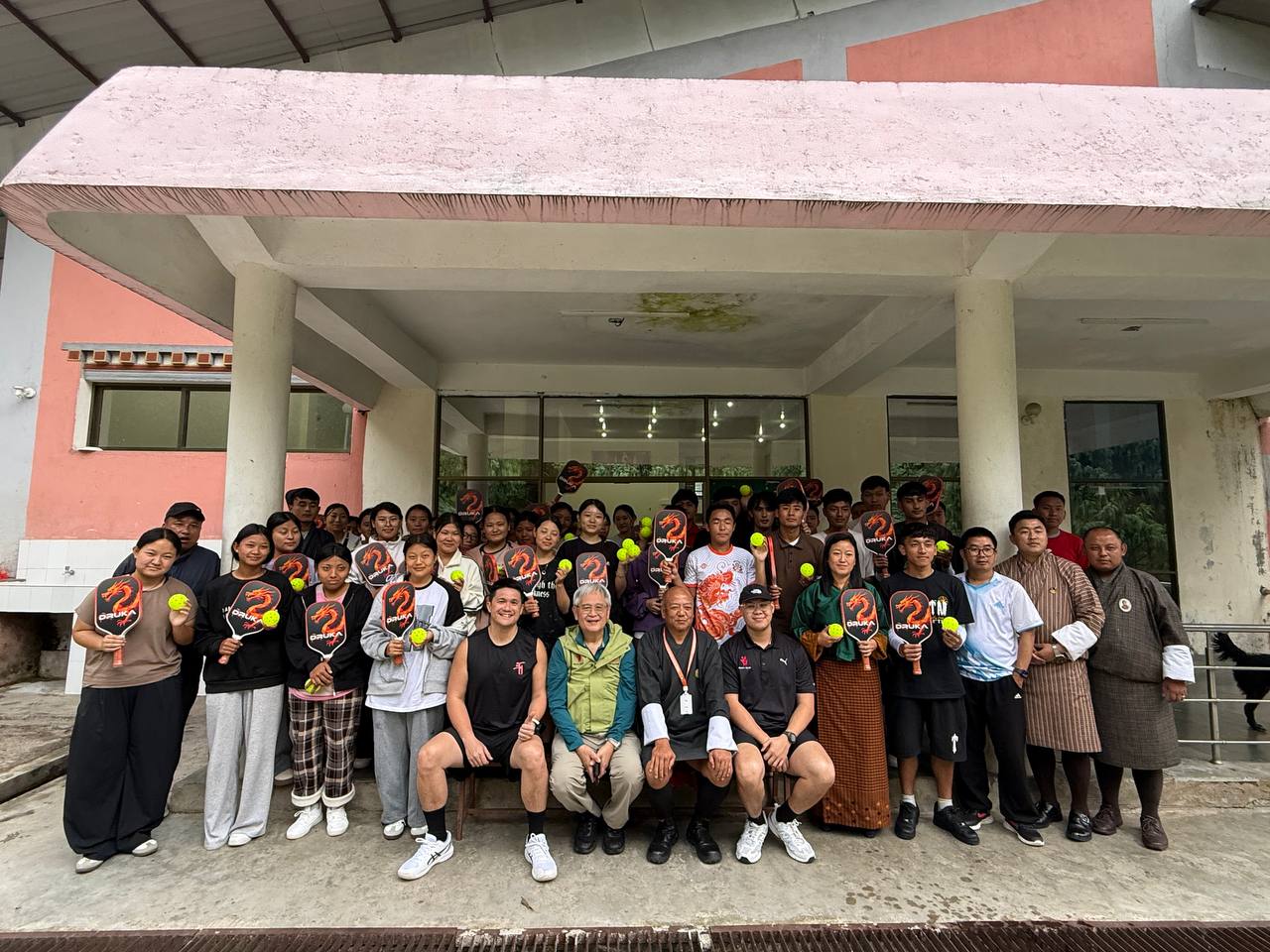

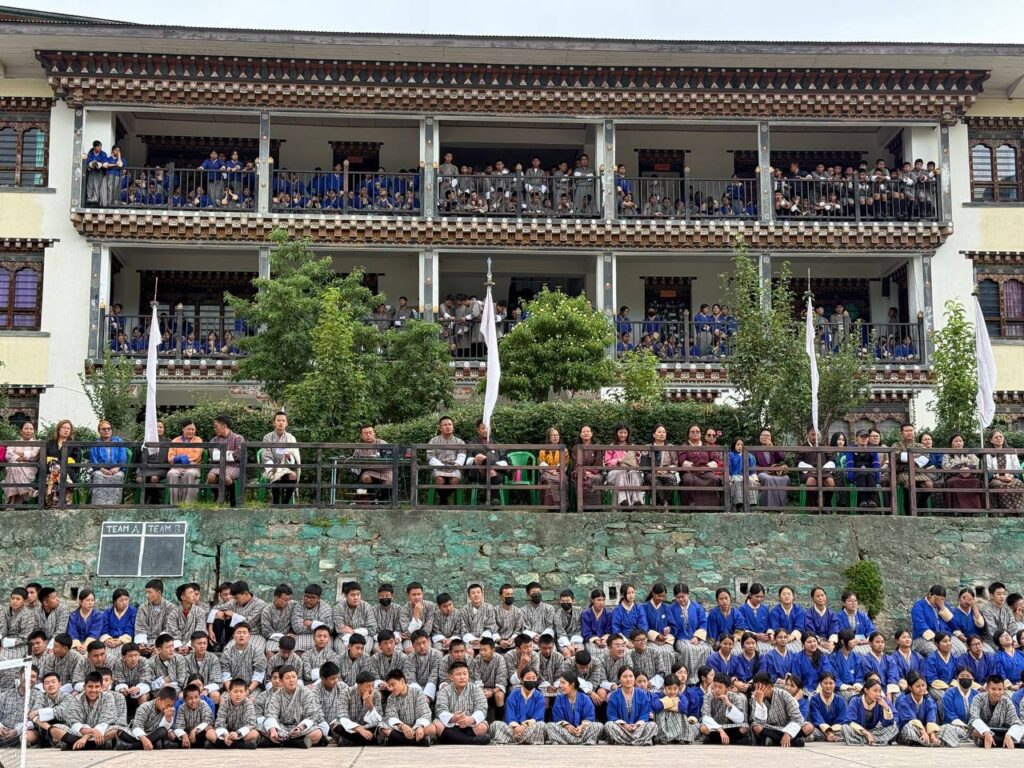
More than 90 schools. More than 10,000 students. More than 100 physical and sports instructors. One mission: to use sport to create pathways for people.
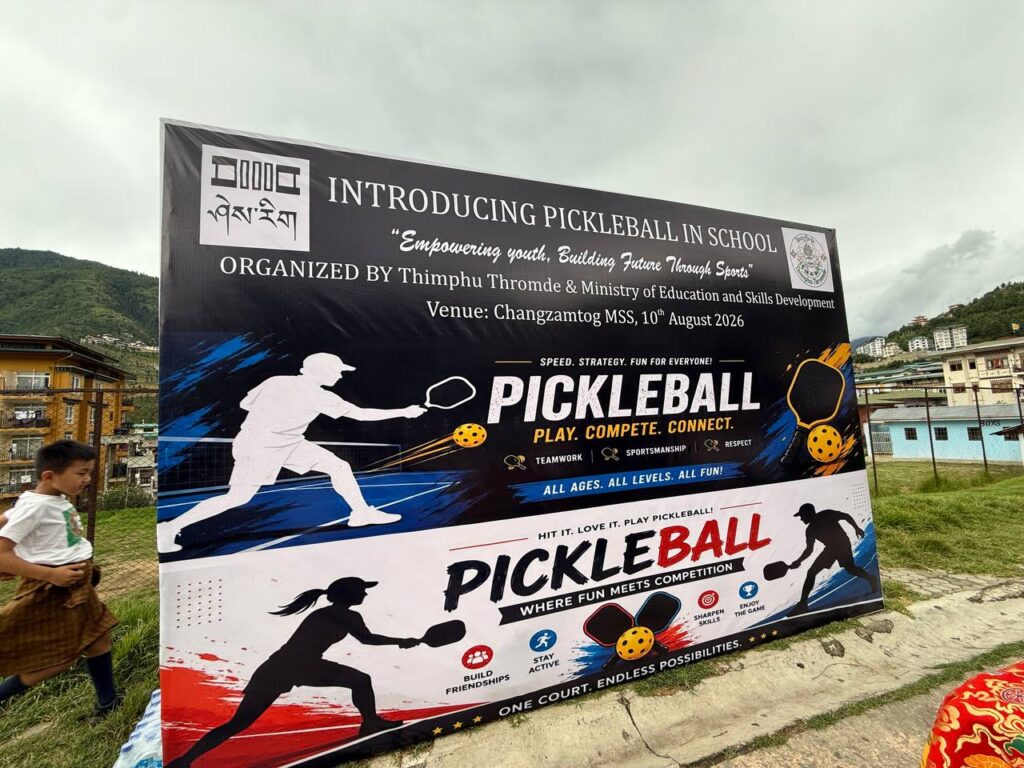
In 2026, Metazone Sports set out to introduce pickleball across the Kingdom of Bhutan.
What began with paddles, balls and courts, however, was designed to become something much bigger.
Across more than 90 schools, over 10,000 students were introduced to pickleball, while more than 100 physical and sports instructors were engaged and developed to help the sport continue growing within their own schools and communities.
But for Metazone Sports, the numbers tell only part of the story.
The larger ambition is to demonstrate a different approach to sports development — one where sport becomes a starting point for people to discover opportunities, capabilities, communities and ultimately their own pathways forward.
Pickleball is the vehicle. Creating pathways is the mission.
More Than Introducing a New Sport
Metazone Sports is a private limited company owned by Metazone Ltd, its non-profit parent organisation.
This structure reflects a deliberate philosophy.
Metazone exists to create meaningful and sustainable impact. Metazone Sports applies that mission through sport — building programmes, capabilities, communities and pathways that can eventually become locally sustainable.
For Metazone founder Mr Jevan Tan, the Bhutan initiative represents exactly what the organisation was created to do.
“Metazone was never established simply to run projects. We want to create things that continue creating value long after we have left. Bhutan is a good example of that philosophy. Pickleball may be where the relationship begins, but what matters to us is what becomes possible for the person afterwards.”
— Mr Jevan Tan, Founder, Metazone
That distinction shaped the approach in Bhutan.
The objective was never to arrive, conduct several clinics, take photographs and leave.
It was to begin creating a system.
This approach was already visible during the initiative’s earlier stages. Independent coverage in April 2026 described the Metazone programme as an attempt to create immediate pathways for learning, teaching and progression rather than simply introducing pickleball, with local coaching capability regarded as central to its sustainability. (Pickleplus TV)
Sport as a Pathway
At the heart of Metazone Sports is a simple belief:
Sport can take people somewhere.
That destination does not have to be professional sport.
One child may become an athlete.
Another may become a coach.
Another might discover officiating.
Someone else might become interested in sports science, event management, technology, media, photography or facility operations.
Another may eventually become an entrepreneur.
And many will never work within sport at all — but may carry with them confidence, resilience, discipline, friendships and leadership abilities developed through their sporting experiences.
This is why Metazone Sports does not define success simply by how many athletes a programme produces.
The more important question is:
What pathways did sport create for the people who participated?
“If we introduce pickleball to 10,000 young people and only measure how many become competitive players, we have completely missed the point. I want to know what happened to the other 9,900. Did someone become more confident? Did someone discover coaching? Did someone learn to lead? Did someone discover an opportunity they previously didn’t know existed? That is where the real impact of sport becomes much larger.”
— Darren Ho, Director, Metazone Sports
90+ Schools: Creating Access
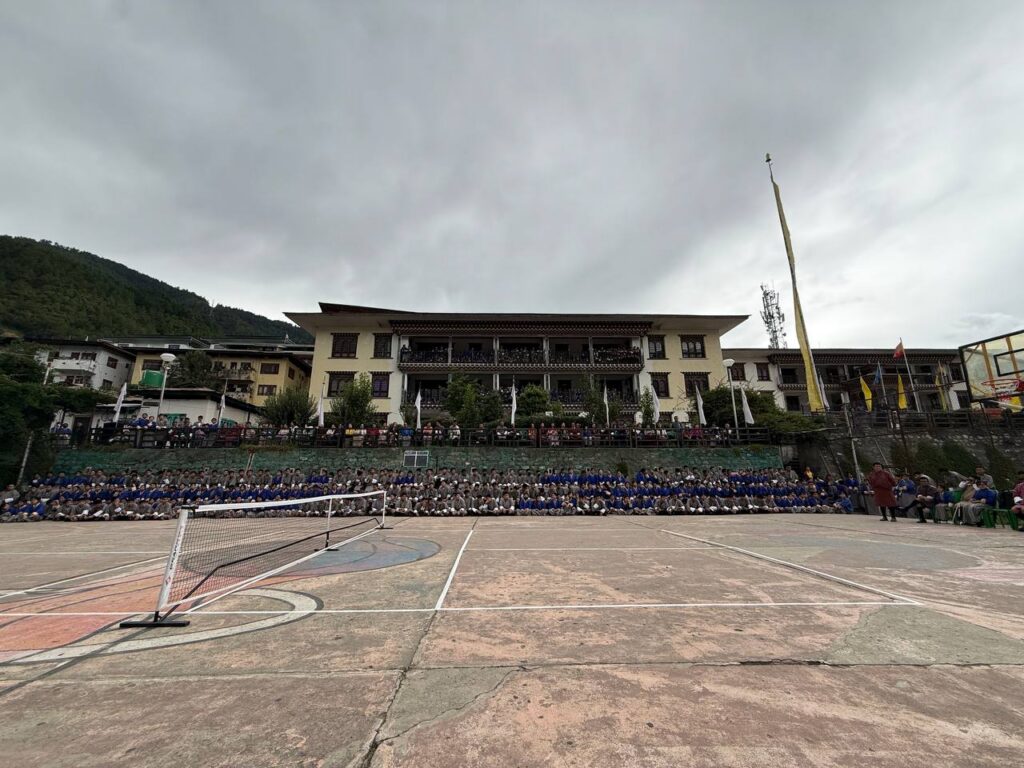
Every pathway begins with access.
A young person cannot pursue an opportunity they have never encountered.
By taking pickleball into more than 90 schools, Metazone Sports dramatically lowered that first barrier.
Students did not have to belong to a private club.
They did not need previous racket-sport experience.
They did not need to consider themselves athletes.
They simply had an opportunity to pick up a paddle and try.
Pickleball is particularly effective at creating this first point of contact. Its fundamental mechanics are relatively accessible, games can become social quickly, equipment is portable and existing multipurpose sporting spaces can often accommodate play.
This accessibility makes it a powerful entry point.
But access without continuation is not a pathway.
That is why reaching the schools was only the first part of the strategy.
10,000+ Students: Creating Possibility
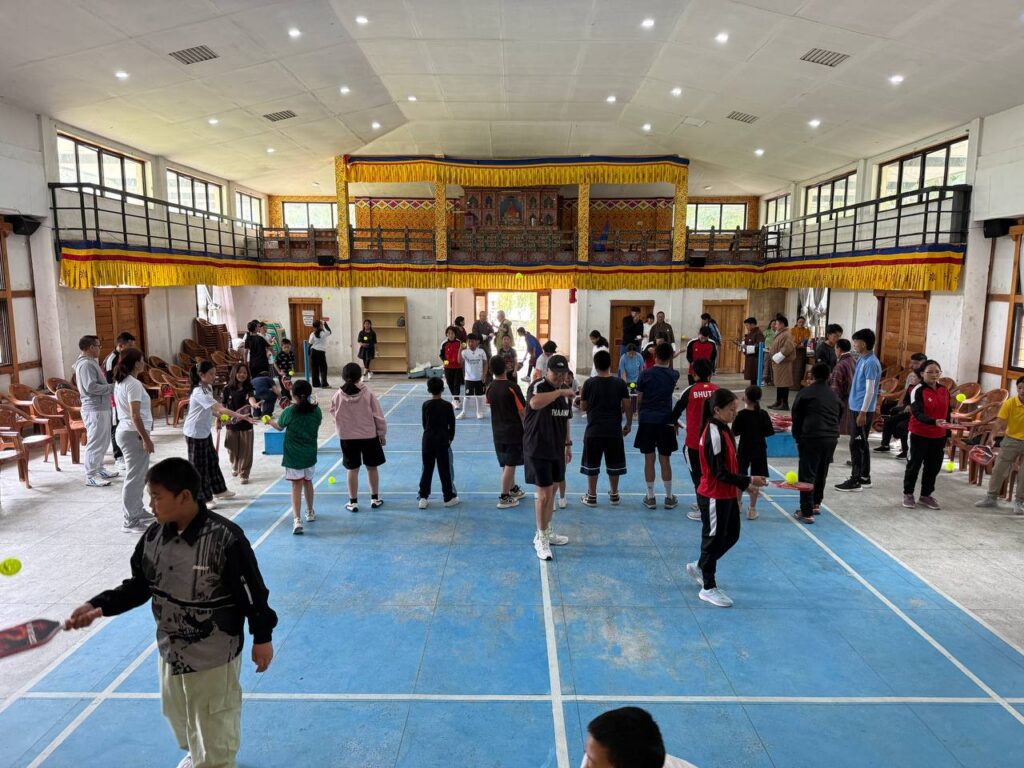
More than 10,000 Bhutanese students have now been exposed to pickleball through the initiative.
Metazone Sports regards these students not simply as participants in a programme, but as the first generation of a developing community.
Some may never play pickleball again.
Others may play recreationally.
Some may become passionate competitors.
And somewhere among them could potentially be Bhutan’s future national players, coaches, officials, tournament organisers and sporting leaders.
The purpose is not to prescribe the destination.
It is to make more destinations possible.
This philosophy also sits naturally within Bhutan’s broader movement toward more holistic school sport. The Bhutan Olympic Committee’s 2026 Sports in Schools programme similarly emphasises that students can participate in sporting ecosystems beyond playing — including commentary, journalism, photography and organising events — while developing confidence and belonging. (Bhutan Olympic Committee)
For Metazone Sports, that broader definition of participation is fundamental.
Sport should create room for different kinds of people to succeed.
100+ Instructors: Building Bhutanese Capability
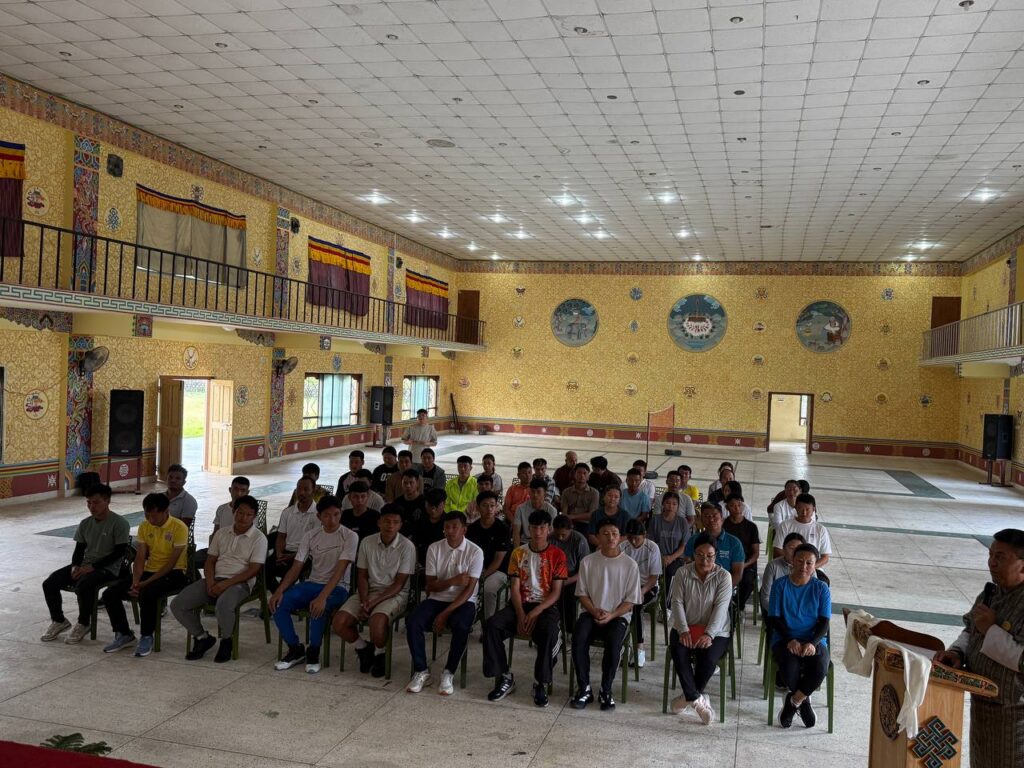
Perhaps the most important number in the entire initiative is not 10,000.
It is 100.
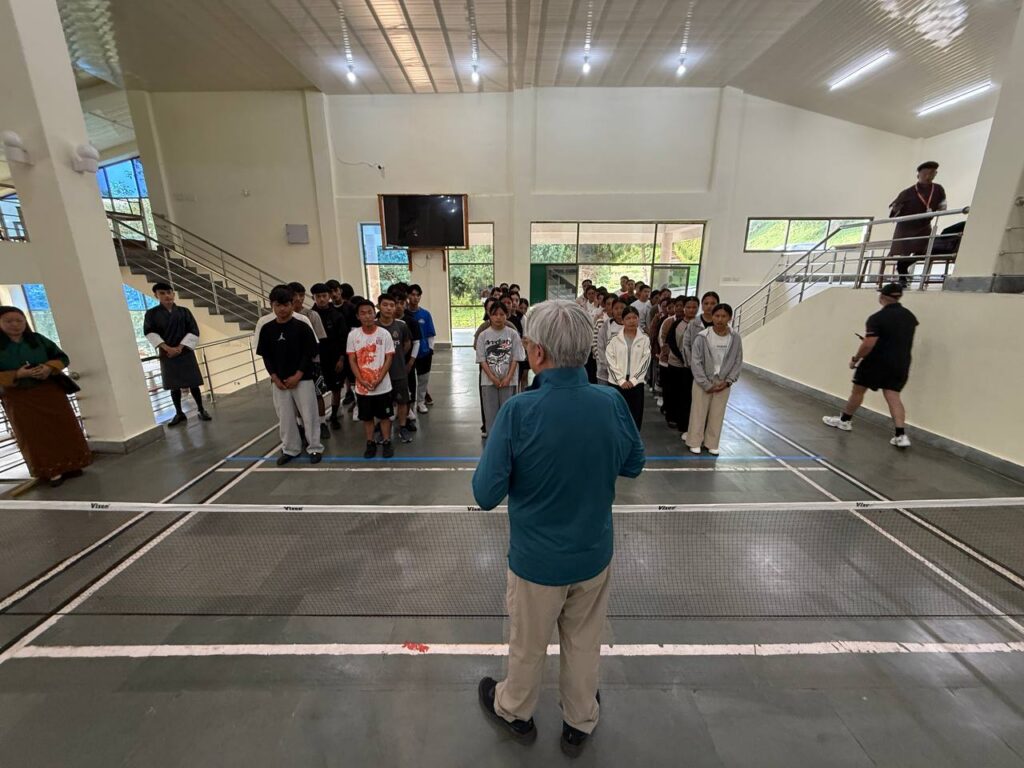
More than 100 physical and sports instructors have been engaged as part of developing the sport.
Why does that matter?
Because instructors create multiplication.
Metazone Sports can introduce thousands of students to pickleball.
But a Bhutanese instructor can introduce new students every year.
Those students can eventually teach others.
Some can become coaches themselves.
Eventually, knowledge no longer travels primarily from Metazone Sports into Bhutan.
It begins travelling within Bhutan.
“Our job on the ground isn’t just to show someone how to hit a ball. We have to give instructors enough confidence and structure that they can teach the next group without us standing beside them. When you see someone you taught begin teaching someone else, that is when you know the programme is starting to work.”
— Mr Foong Wai Kit, Head of Programmes, Metazone Sports
That multiplier is fundamental to sustainable sports development.
A paddle can introduce someone to a sport.
An instructor can introduce generations.
From 90 Schools to One Connected Ecosystem
Scale creates another challenge.
Once thousands of students and more than 100 instructors across more than 90 schools have been engaged, how do they remain connected?
How does a student know what to do next?
How does an instructor continue developing?
How does someone discover a programme, competition or opportunity?
How does Metazone Sports understand whether participation actually continues?
This is where technology becomes an important part of the model.
Waypoint: The Digital Platform Behind the Journey
Waypoint is the digital platform supporting the Metazone Sports ecosystem.
Metazone Sports remains the organisation developing the sporting methodology, programmes, partnerships, people and pathways.
Waypoint provides the digital infrastructure connecting those experiences.
This distinction is important.
Metazone Sports builds the ecosystem. Waypoint helps connect it.
The physical programme may introduce a child to pickleball for the first time.
The instructor helps that child continue learning.
Waypoint provides a digital destination through which that journey can increasingly continue.
The model therefore becomes:
DISCOVER → LEARN → PLAY → DEVELOP → COMPETE → CONTRIBUTE → LEAD
Instead of participation ending when an introductory session finishes, there can be another step.
And then another.
The Day After Matters
Many sports-development programmes are very good at creating a memorable day.
Equipment arrives.
Coaches teach.
Children play.
People take photographs.
Everyone goes home excited.
But Metazone Sports is interested in a different question:
What happens the day after?
That is where Waypoint becomes strategically important.
A physical activation is temporary.
A digital relationship can persist.
Participants can remain connected to a broader sporting identity and, as the platform develops, discover programmes, learning opportunities, competitions, achievements and pathways relevant to their journey.
“The biggest mistake would be thinking our job is finished because 10,000 students tried pickleball. That’s actually where the work begins. If somebody enjoyed the experience today, we need to make it easier for them to answer the question: ‘What can I do tomorrow?’ Waypoint is an important part of solving that.”
— Darren Ho, Director, Metazone Sports
This transforms the measurement of impact.
Instead of asking only:
How many people did we reach?
Metazone Sports can increasingly ask:
How many people continued?
Creating a Digital Sporting Journey
Waypoint also creates the possibility of giving participants continuity across their sporting experiences.
A student’s first school session does not have to exist as an isolated event.
Over time, their participation, learning, competition, achievements and certifications can become parts of a connected sporting journey.
For instructors, the same principle applies.
Their development does not need to stop after initial training.
Learning, certification and programme delivery can form part of an ongoing progression pathway.
This creates something important for an emerging sporting ecosystem:
institutional memory.
Instead of constantly beginning from zero, the ecosystem can begin learning about itself.
Which schools remain active?
Where is participation increasing?
Where are additional instructors needed?
Which programmes are creating sustained engagement?
Where are new communities emerging?
Which young people want to progress?
Digital infrastructure therefore becomes much more than a website.
It becomes part of the infrastructure through which an ecosystem can learn, improve and grow.
Making Opportunity Visible
One of the most important functions of a pathway is making the next opportunity visible.
A child may love playing pickleball but not know where to play again.
A promising player may not know that a competition exists.
Someone who naturally helps younger students may never realise that coaching could become a pathway.
Another student might not enjoy competing at all — but could discover that they love organising tournaments.
Waypoint gives Metazone Sports a platform through which these possibilities can increasingly be connected.
And this leads to perhaps the most important question the ecosystem should eventually be able to answer for every participant:
“What can I do next?”
Because opportunity is significantly less useful when people cannot see it.
The Metazone Sports Model
The work in Bhutan is helping Metazone Sports refine a model that could eventually be applied to other communities, countries and sports.
It can be understood through five stages.
ACCESS
Bring sport to people.
Remove unnecessary barriers and create opportunities for discovery.
CAPABILITY
Develop local instructors, coaches, officials and leaders.
Give communities the knowledge required to continue without constant external intervention.
CONNECTION
Use technology such as Waypoint to connect people, programmes, communities and opportunities.
PATHWAYS
Allow participants to move from discovery into recreation, competition, coaching, officiating, volunteering, leadership and other opportunities.
OWNERSHIP
Ultimately, empower local communities to develop and lead their own sporting ecosystems.
This final stage matters most.
“The measure of Metazone’s success should never be how dependent a community becomes on us. It should be the opposite. We should know we have succeeded when the people we once taught are teaching others, building their own programmes and creating opportunities we never imagined ourselves.”
— Mr Jevan Tan, Founder, Metazone
Physical. Human. Digital.
The emerging Bhutan pickleball ecosystem can therefore be understood through three interconnected forms of infrastructure.
Physical infrastructure provides the places and equipment to play.
Human infrastructure develops the instructors, coaches, officials, organisers and leaders who sustain the community.
Digital infrastructure, through Waypoint, connects those people and their journeys.
Metazone Sports brings these layers together through a common philosophy:
Use sport to create pathways for people.
Remove one layer and the system becomes weaker.
Equipment without people can eventually sit unused.
Training without opportunities loses momentum.
Technology without real communities has little purpose.
But when physical, human and digital infrastructure reinforce one another, sport can become something much more powerful.
It can become infrastructure for opportunity.
The First 10,000
There is therefore another way to look at the scale of what has happened in Bhutan.
More than 10,000 students were not simply introduced to pickleball.
They represent the first 10,000 potential journeys.
Somewhere among them may be Bhutan’s future pickleball champions.
Future coaches.
Future referees.
Future tournament directors.
Future sports entrepreneurs.
Future photographers and storytellers.
Future community leaders.
And thousands may simply become people who learned something about themselves because somebody once placed a paddle in their hands.
All of those outcomes matter.
“You see very quickly that different children connect with sport for different reasons. Some want to win immediately. Some enjoy learning the skill. Some enjoy helping their friends. Our responsibility is not to force everyone down the same road. It is to create enough roads that people can find the one that suits them.”
— Mr Foong Wai Kit, Head of Programmes, Metazone Sports
Bhutan Is the Beginning, Not the End
Metazone Sports believes the lessons emerging from Bhutan can eventually extend well beyond pickleball.
There are communities around the world filled with young people who possess talent, curiosity and ambition but may lack access to structured opportunities.
Sport can provide the first connection.
Digital infrastructure can help maintain it.
Education can develop capability.
Competition can provide challenge.
Coaching and officiating can create responsibility.
Communities can create belonging.
And pathways can turn a simple first experience into something that affects the direction of a person’s life.
This is the larger ambition behind Metazone Sports.
Not simply to build sports programmes.
To build systems through which sport creates possibilities.
Building Something That Can Outlive Us
More than 90 schools have been reached.
More than 10,000 students have been introduced to pickleball.
More than 100 physical and sports instructors have become part of the developing ecosystem.
Waypoint provides a digital destination through which this community can remain connected and continue its journey.
But none of these numbers should be considered the conclusion of the project.
They are the beginning.
The real test will come in the years ahead.
When today’s student becomes tomorrow’s coach.
When today’s instructor trains the next instructor.
When schools begin creating their own competitions.
When communities build programmes without waiting for Metazone Sports to organise them.
When people discover opportunities that did not previously exist.
That is the point at which an initiative becomes an ecosystem.
And it captures what Metazone Sports ultimately hopes to accomplish in Bhutan and elsewhere:
“We use sport to open the first door. What matters is how many doors people discover after that.”
— Darren Ho, Director, Metazone Sports
Pickleball may have been the beginning.
The pathway is what comes next.