

As pickleball continues its explosive growth across Singapore and Asia, a growing body of medical research is raising an uncomfortable question: Are we taking player safety seriously enough?
Pickleball has built its reputation on accessibility.
It is easy to learn, highly social and welcoming to players across generations. From teenagers discovering their first racket sport to retirees finding a new passion, pickleball has created communities that few other sports can match.
But behind the laughter, friendly competition and increasingly powerful paddles, there is a risk that many players rarely consider.
A pickleball travelling towards your face can cause permanent damage to your eyesight.
And the growing evidence suggests this is not simply a theoretical concern.
The Numbers Should Make Every Player Think Twice
Research published in JAMA Ophthalmology in October 2025 examined pickleball-related eye injuries treated in emergency departments across the United States.
The findings were concerning.
Researchers estimated approximately 1,262 pickleball-related eye injuries in 2024 alone.
Between 2021 and 2024, the estimated annual number of such injuries increased by approximately 405 cases per year.
The research also found significantly more injuries among players aged 50 and above than among younger players.
Some reported injuries were serious, including retinal detachment, fractures around the eye and bleeding within the eye.
These are not necessarily injuries that disappear after a few days of rest.
Some can require surgery. Others may threaten a player’s vision permanently.
However, there is an important distinction.
The rising number of injuries does not automatically mean pickleball is becoming more dangerous for each individual player. With millions more people participating, the total number of injuries would naturally be expected to increase.
What the research does establish is that eye injuries are a genuine concern deserving greater attention.
And that should matter to everyone involved in the sport.
The Most Dangerous Shot Might Not Be the Hardest
One of pickleball’s greatest attractions is also a potential source of danger.
Players compete at remarkably close distances.
During fast exchanges at the kitchen line, opponents may be separated by only a few metres.
A ball that travels relatively slowly compared with those in other racket sports can still arrive before a player has sufficient time to react.
Consider a typical doubles exchange.
One player attempts a speed-up. The opponent blocks the ball. The next shot ricochets unexpectedly towards someone’s face.
There may be almost no time to move.
Even experienced players can be caught off guard.
And as paddles become more powerful and competitive play becomes faster, the importance of anticipation, positioning and appropriate protection deserves greater attention.
The issue is not simply how hard someone hits.
It is how little time the person receiving the shot has to react.
Why Older Players Deserve Special Attention
Pickleball has been particularly successful in attracting middle-aged and older adults.
That is something worth celebrating.
The sport encourages physical activity, social interaction, coordination and healthy competition.
But ageing can bring changes in reaction time, balance, visual processing and physical mobility.
These changes may make avoiding an unexpected ball or paddle more difficult.
Certain existing eye conditions and previous eye surgeries can also make injuries more consequential.
This does not mean older players should avoid pickleball.
Quite the opposite.
It means the sport should evolve to accommodate the needs of the people who have helped make it successful.
We should not have to choose between staying active and protecting our health.
The Surprising Reality: Even Professionals Often Play Without Eye Protection
A separate study published in JAMA Ophthalmology in February 2026 examined protective eyewear use among professional and amateur pickleball players.
Researchers reviewed footage involving 175 professional players and surveyed 148 amateur players.
Only 20% of the professionals observed were wearing eyewear.
Among amateur participants, approximately 45% reported using eyewear.
Even more concerning, many amateur players who wore glasses were using ordinary prescription eyewear rather than dedicated sports protection.
Regular glasses are not necessarily designed to withstand direct sporting impacts.
The study also identified common reasons players avoided protective eyewear.
Discomfort.
Fogging.
Sweat.
And, perhaps most importantly, a belief that eye injuries were unlikely to happen to them.
This reveals a larger problem.
Player safety is not simply an equipment issue. It is a culture issue.
If players believe protection is unnecessary, inconvenient or unfashionable, many will continue playing without it.
Changing that perception requires more than telling people to buy another accessory.
It requires education, better product design and leadership from the industry.
Should Protective Eyewear Become the New Normal?
Think about how safety expectations have evolved in other sports.
Cyclists wear helmets.
Cricketers wear protective equipment.
Squash players increasingly recognise the importance of eye protection, with mandatory requirements in certain competitions.
Yet pickleball, despite its close-range exchanges, generally does not require protective eyewear.
Perhaps it is time to reconsider that approach.
This does not necessarily mean every recreational player should immediately be subjected to mandatory equipment rules.
But it does mean clubs, coaches, tournament organisers and sporting brands should start treating eye protection as a normal part of the conversation.
Imagine a pickleball environment where protective eyewear is as familiar as court shoes.
Where beginners are introduced to basic safety principles during their first lesson.
Where coaches teach players how to protect themselves during fast exchanges.
Where eyewear is comfortable, functional and attractive enough that players actually want to wear it.
And where safety is understood as part of performance rather than something that interferes with it.
That would represent meaningful progress.
Introducing DRUKA Eyewear: A New Vision for Athletes
At Waypoint, we believe the future of pickleball should be built around more than tournaments, rankings and equipment sales.
It should also consider the long-term wellbeing of the people who play.
That philosophy is reflected in the continuing development of DRUKA, a sporting and lifestyle brand inspired by Bhutan and designed for an international audience.
We are pleased to announce the upcoming launch of DRUKA Eyewear.
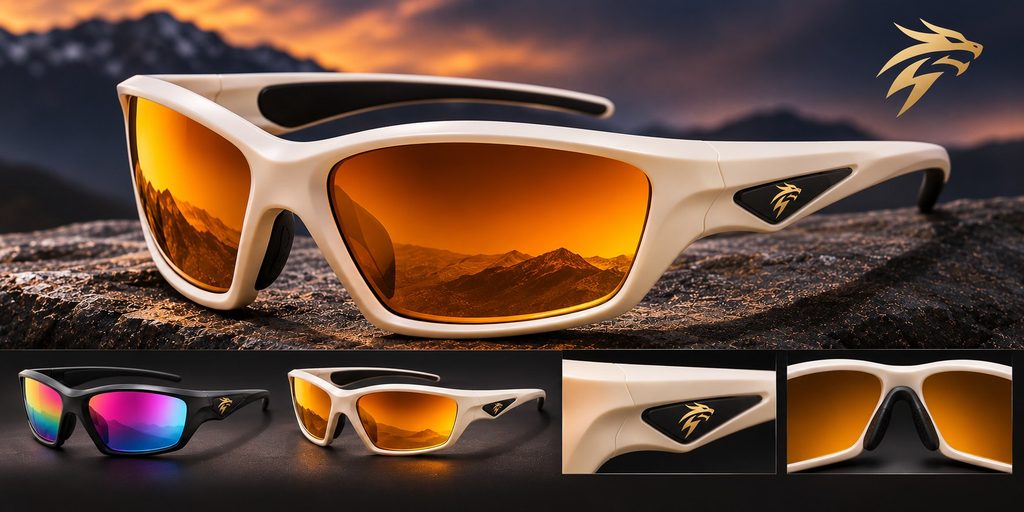
The planned eyewear collection will explore the intersection of sporting performance, everyday comfort and contemporary design.
Our development priorities include lightweight construction, comfortable fit, clear visibility and designs suitable for active lifestyles.
For pickleball players, we are also examining the requirements of purpose-built protective sports eyewear.
The objective is straightforward.
Create eyewear that athletes want to wear, not simply eyewear they are told to wear.
DRUKA Eyewear is being developed with both sporting and lifestyle applications in mind, reflecting the brand’s broader ambitions beyond pickleball.
Specific product configurations, protective ratings, availability and launch details will be announced following the relevant development and evaluation processes.
Until then, players seeking eye protection should choose appropriately rated sports eyewear rather than assume ordinary sunglasses or fashion eyewear provide adequate impact protection.
DRUKA’s ambition is to combine distinctive design with meaningful functionality.
Because looking good on court should never come at the expense of protecting your vision.
DRUKA Eyewear — Coming Soon.
Waypoint: Building a Better Sporting Ecosystem
Equipment is only one part of the solution.
At Waypoint, our larger mission is to help create a more connected, accessible and sustainable sporting ecosystem.
We believe the next stage of pickleball’s growth should be measured not only by how many people start playing, but also by how well the industry supports them.
That includes education.
Better coaching.
Responsible competition.
Player development.
Community engagement.
And greater awareness of the risks that come with participation.
Through the Waypoint platform, we are working to connect players, coaches, clubs, facilities, tournaments and sporting brands within a common ecosystem.
Our ambition is to make participation easier while giving sporting communities better tools to organise, communicate and grow.
Player safety belongs in that conversation.
A thriving sporting community should encourage people to play for years, not simply attract them for their first few sessions.
Five Things Every Pickleball Player Should Consider
Before your next game, consider these simple precautions.
1. Protect your eyes.
Choose sports eyewear designed for impact protection, with appropriate coverage and a recognised protective rating. Ordinary prescription glasses and fashion sunglasses may not provide adequate protection.
2. Be aware of your positioning.
Fast exchanges near the kitchen line leave little reaction time. Anticipation, paddle positioning and awareness of your opponents can help you respond more effectively.
3. Communicate with your partner.
Confusion during doubles can lead to accidental paddle contact, collisions and unexpected shots. Clear communication matters.
4. Match the intensity to the players.
Not every recreational game needs to resemble a professional tournament. Consider the experience, mobility and comfort of everyone sharing the court.
5. Never ignore an eye injury.
A direct impact to the eye can cause damage that is not immediately obvious. Seek prompt medical assessment after a significant impact, especially if you experience pain, blurred vision, flashes, floaters or other visual changes.
Protecting your eyesight is far more important than finishing a match.
The Future of Pickleball Should Be Safer, Not Just Bigger
Pickleball is entering an exciting period of growth.
New facilities are opening.
More tournaments are being organised.
Sporting brands are investing in innovation.
And communities around the world are discovering the joy of playing.
But growth also brings responsibility.
If the industry wants pickleball to become a lifelong sport, it must take the long-term wellbeing of its players seriously.
That means asking difficult questions.
It means reconsidering old assumptions.
And it means developing products, programmes and playing environments that reflect the needs of a changing player population.
The good news is that we do not need to wait for a serious injury before making better decisions.
Sometimes, protecting your future in sport starts with something as simple as putting on the right pair of glasses.
Because the most important thing you bring onto the court isn’t your paddle.
It’s your ability to see the next ball.
Discover Waypoint
The future of pickleball is about more than playing the game.
Waypoint connects players, coaches, clubs, tournaments, facilities and sporting communities through one evolving platform.
Whether you are beginning your pickleball journey, organising events or building a sporting business, discover how Waypoint can support your next step.
Explore Waypoint: waypoint.fan
DRUKA Eyewear – Launching Soon
A new chapter in sporting and lifestyle eyewear is coming.
Inspired by Bhutan. Designed with athletes in mind.
Follow Waypoint for the upcoming DRUKA Eyewear collection, product announcements and launch information.
Discover the journey at waypoint.fan
Research References
American Academy of Ophthalmology. “Wear Eye Protection When Playing Pickleball.” Published March 31, 2026.
Read the eye-safety guidance – American Academy of Ophthalmology
Lacher CR, Koc I, Tsui JC. “Pickleball-Related Ocular Injuries Among Patients Presenting to Emergency Departments.” JAMA Ophthalmology. 2025;143(11):938–944. DOI: 10.1001/jamaophthalmol.2025.3577.
Read the study – JAMA Ophthalmology
Henick D, Debroff B, Tahvildari M. “Pickleball Players’ Reported Use of Protective Eyewear.” JAMA Ophthalmology. 2026;144(4):309–313. DOI: 10.1001/jamaophthalmol.2026.0027.
Read the study – JAMA Ophthalmology